Do you regularly hit a wall at 3 PM, reaching for a third cup of coffee or a sugary snack just to survive the rest of the workday?
If you are constantly battling brain fog and fatigue, the culprit might not be only your sleep schedule. It might also be chronic, low-grade inflammation.
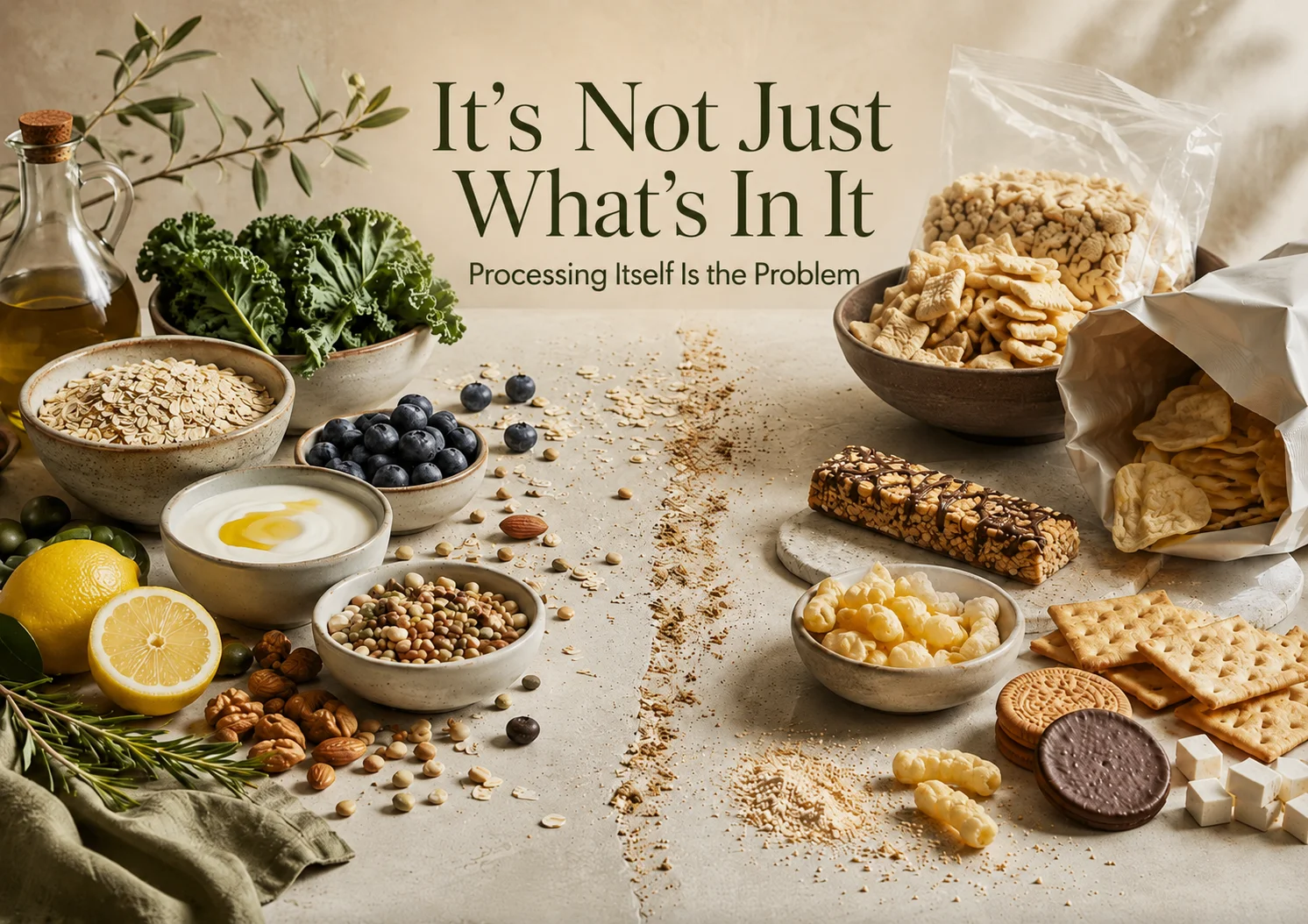
When we rely on highly processed foods, refined sugars and industrial seed oils, our bodies are forced into a state of constant metabolic stress. This triggers an inflammatory response that disrupts our blood sugar levels, causes gut dysbiosis (an imbalance in gut bacteria), and drains our daily energy.
The good news? You don't need a restrictive, stress-inducing calorie-counting routine to fix this. By focusing on an anti-inflammatory diet for beginners, you can heal your metabolism from the inside out. The secret lies in focusing on "real food" quality over quantity.
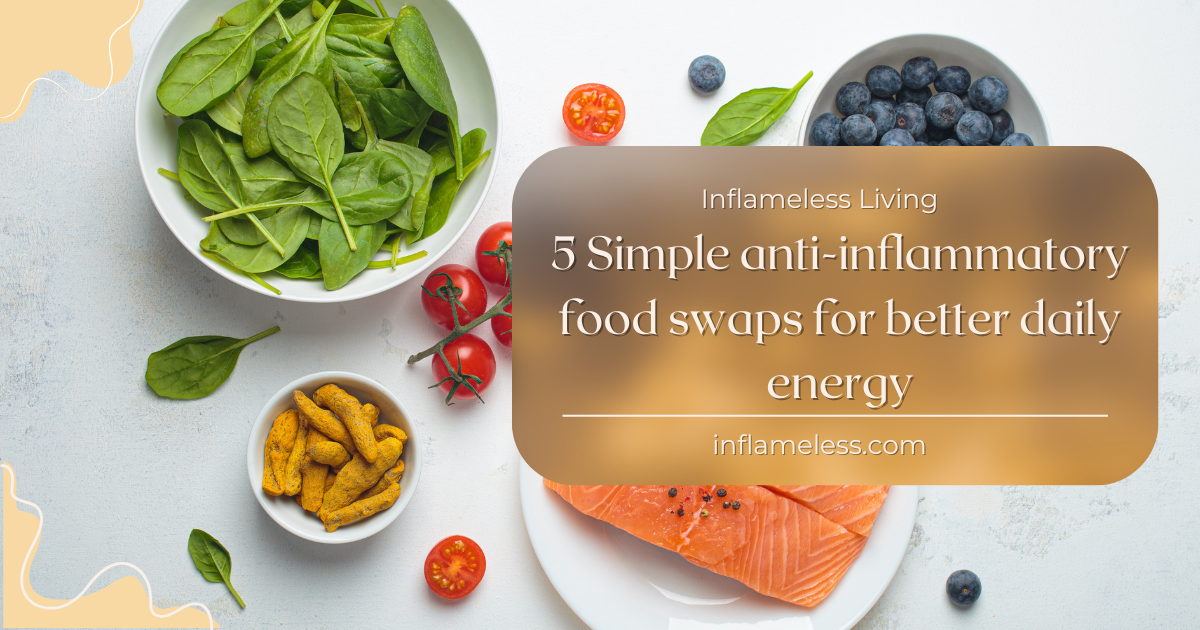
Here are 5 simple, delicious anti-inflammatory food swaps you can make today to lower inflammation and boost your energy naturally.
1. Swap sugary breakfast cereals for an anti-inflammatory berry and nut bowl
Many commercial breakfast cereals even the ones labeled "healthy" or "whole grain" - are packed with refined carbohydrates and hidden sugars. These cause a rapid spike in blood glucose, followed by an inevitable insulin crash that leaves you exhausted before noon.
-
The Swap: A base of plain, unsweetened Greek yogurt or coconut yogurt, topped with a handful of wild blueberries, walnuts and a sprinkle of chia seeds.
-
Why it boosts energy: Berries are packed with polyphenols (natural antioxidants that fight inflammation), while walnuts provide plant-based omega-3 fatty acids (ALA). This combination of healthy fats, protein, and fiber slows down digestion, providing a steady, continuous release of fuel to your brain and muscles.
2. Swap industrial seed oils for extra virgin olive oil
Refined vegetable oils like canola, corn, sunflower and soybean oil are staples in processed foods. Unfortunately, they are highly processed and heavily dominant in Omega-6 fatty acids. While our bodies need some Omega-6s, an excess amount without enough Omega-3s creates a pro-inflammatory state in the body.
-
The Swap: Use high-quality Extra Virgin Olive Oil (EVOO) for low-to-medium heat cooking and raw dressings.
-
Why it boosts energy: EVOO is the cornerstone of the traditional Mediterranean lifestyle. It contains oleocanthal, a powerful phenolic compound that has been shown to exhibit the same anti-inflammatory pathways as ibuprofen. Cleaner fats mean happier mitochondria (the energy powerhouses of your cells).
3. Swap white bread and refined pasta for sourdough or quinoa
Refined white flour has been stripped of its fiber, vitamins and minerals. When you eat it, your body breaks it down into simple sugars almost instantly, causing systemic inflammation and gut irritation over time.
-
The Swap: Traditional, slow-fermented sourdough bread or pseudo-grains like quinoa.
-
Why it boosts energy: The long fermentation process of authentic sourdough degrades a significant amount of the gluten and phytic acid, making it much easier on your digestive tract. Quinoa, on the other hand, is a complete protein rich in magnesium—a critical mineral that your body requires to synthesize cellular energy (ATP).
4. Swap flavored yogurt for plain kefir with cinnamon
Flavored yogurts can contain as much sugar as a donut, completely derailing your gut microbiome. Because your gut health directly influences your immune system and your neurotransmitters (via the gut-brain axis), a damaged gut barrier is a direct ticket to chronic fatigue.
-
The Swap: Plain, traditional kefir flavored at home with a dash of Ceylon cinnamon.
-
Why it boosts energy: Kefir is a probiotic powerhouse, delivering a diverse matrix of beneficial bacteria to your gut to help lower systemic inflammation. Cinnamon doesn't just taste sweet; it helps improve insulin sensitivity, meaning your body becomes more efficient at moving glucose out of your bloodstream and turning it into usable daily energy.
5. Swap commercial energy bars for a handful of almonds and dark chocolate
Most "energy bars" on supermarket shelves are essentially glorified candy bars loaded with high-fructose corn syrup, soy protein isolates, and artificial binders that trigger a stress response in your gut.
-
The Swap: A handful of raw, activated almonds paired with 1 or 2 squares of dark chocolate (85% cacao or higher).
-
Why it boosts energy: Dark chocolate is exceptionally high in flavonoids, which improve blood flow to the brain and enhance cognitive function. Paired with the stable monounsaturated fats and vitamin E in almonds, this snack stabilizes your blood sugar and beats the afternoon slump without the inflammatory baggage.
Moving Beyond the Food Swaps
Lowering inflammation isn't about perfection or deprivation; it's about shifting your lifestyle toward foods that respect your biology. When you stop counting calories and start focusing on metabolic flexibility - teaching your body to easily switch between burning carbohydrates and fats - your energy levels will remain rock-solid all day long.
Small swaps are a good start. A structured reset is where things really shift.
Ready to go deeper? Check 30-Day Anti-Inflammatory Reset Guide.
References
-
Anderson, R. A. (2008). Chromium and polyphenols from cinnamon improve insulin sensitivity. Proceedings of the Nutrition Society, 67(1), 48–53. https://doi.org/10.1017/s0029665108006010
-
Beauchamp, G. K., Keast, R. S. J., Morel, D., Lin, J., Pika, J., Han, Q., Lee, C. H., Smith, A. B., & Breslin, P. A. S. (2005). Ibuprofen-like activity in extra-virgin olive oil. Nature, 437(7055), 45–46. https://doi.org/10.1038/437045a
This article is for informational and educational purposes only and does not constitute medical or nutritional advice. While adjusting your dietary patterns can support overall vitality, individuals with metabolic conditions (such as type 2 diabetes or metabolic syndrome), gut barrier complications, or those taking glucose-lowering or anti-inflammatory medications should speak with a qualified healthcare professional before making sudden changes to their routine. Do not alter, reduce, or stop any prescribed medical treatments or manage clinical health conditions based on lifestyle, food swaps, or community challenges without direct medical supervision.